Latest development
The Monsoon Session closed 13 August 2026 without the Delimitation Bill being reintroduced, and a Cabinet meeting that would have cleared it was cancelled beforehand. Minister Kiren Rijiju had already denied, on record, that a 16-18 August special session was planned — yet multiple outlets continued reporting one as likely, and PM Modi has reportedly told NDA MPs the alliance has the votes. No official notification of a special session exists as of this update.
Background
India's 2026 delimitation debate is about more than drawing new constituency boundaries. It asks how Lok Sabha seats should be divided after a five-decade population-based freeze, whether the latest exercise may use the 2011 Census, and how to implement women's reservation. One constitutional amendment has already been defeated; none of the proposed changes is law. This page separates the confirmed legislative record from projections and political claims.
What Parliament considered in April 2026
The government introduced three linked measures in the Lok Sabha on April 16: the Constitution (131st Amendment) Bill, the Delimitation Bill and the Union Territories Laws (Amendment) Bill. Together they proposed a new legal framework for reallocating Lok Sabha and assembly seats.
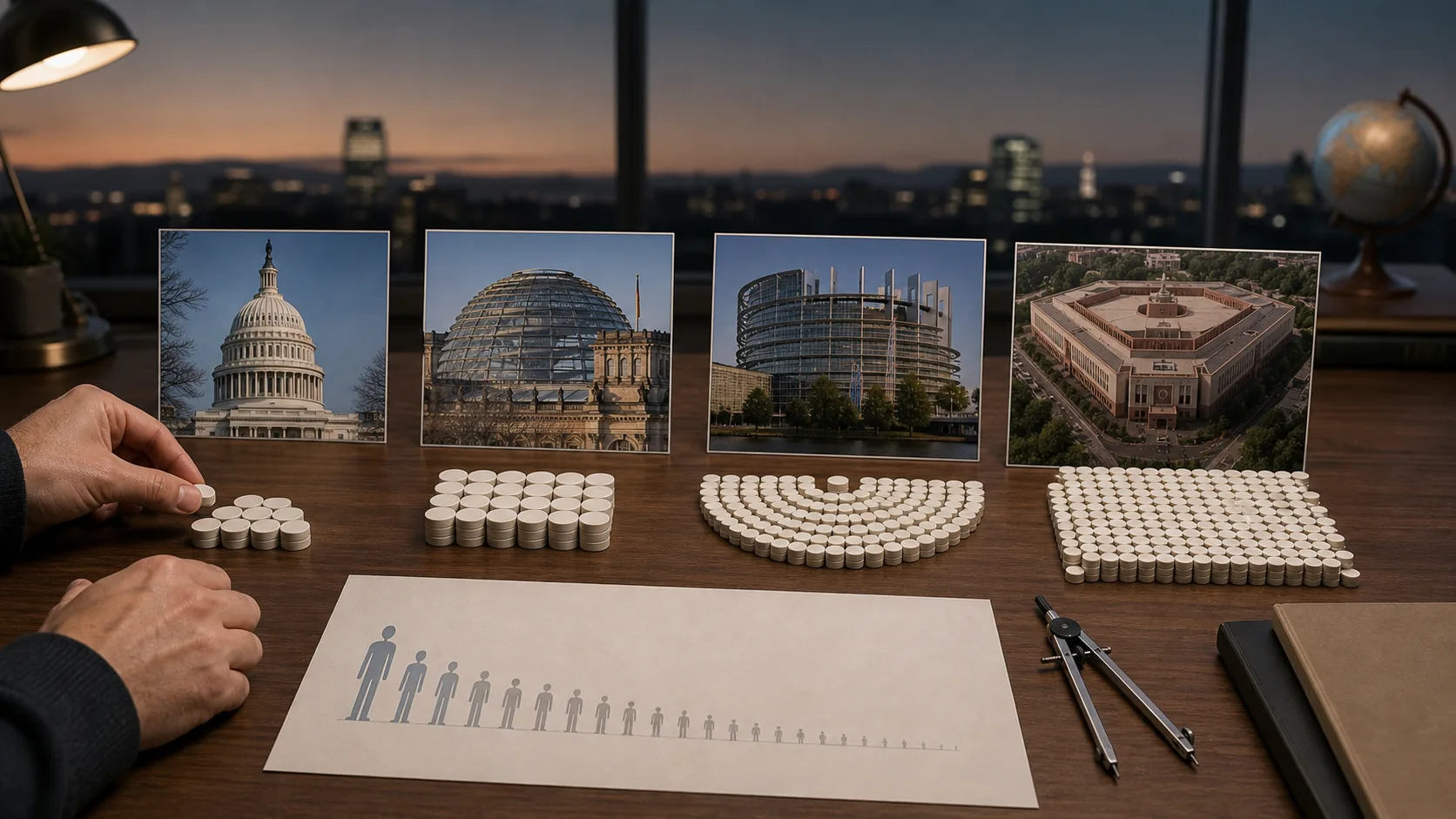
The constitutional bill would raise the Lok Sabha's maximum strength from 550 to 850—up to 815 members from states and 35 from Union Territories. That is a ceiling, not the final proposed elected strength. During the debate, Home Minister Amit Shah used an illustration of 816 total seats and said the five southern states would rise from 129 seats to 195.
What happened to the bills
The Constitution (131st Amendment) Bill was negatived in the Lok Sabha on April 17, 2026; it did not secure the special majority required for a constitutional amendment. PRS records the two companion bills as introduced but not passed. The practical conclusion is simple: no new delimitation framework, Lok Sabha expansion or accelerated women's-reservation trigger from this package is currently law.
Why 1971, 2001 and 2026 all matter
The Constitution normally requires seats to be readjusted after a census. The 42nd Amendment froze the allocation of seats among states using 1971 population figures. The 84th Amendment extended that protection until figures from the first census taken after 2026 are published. Later exercises could still redraw boundaries within states; the freeze did not mean that every constituency boundary remained untouched.
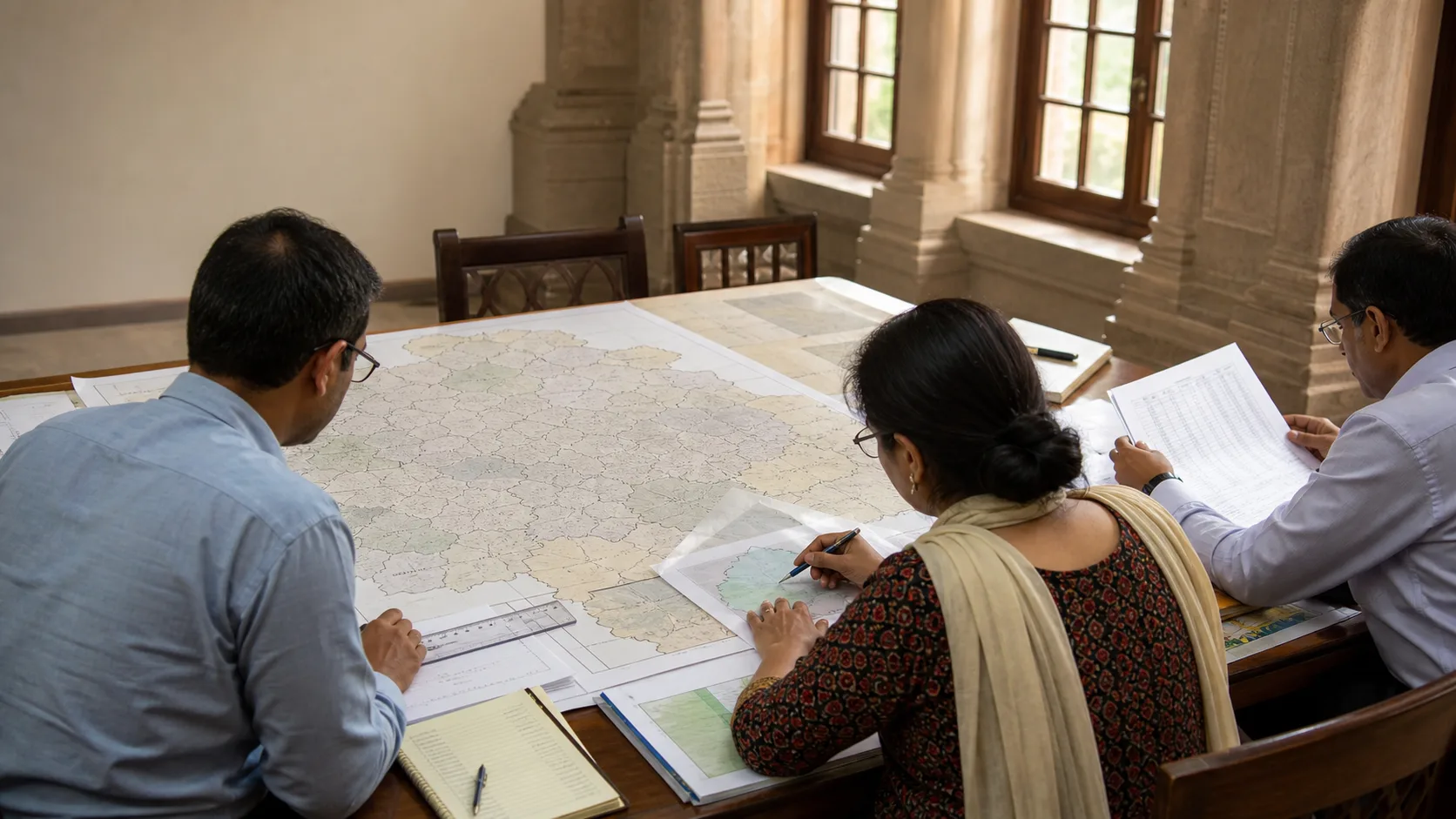
The 2026 package would let Parliament specify the relevant census by law. Because the Delimitation Bill referred to the latest published census when the commission is constituted, PRS concluded that the immediate exercise would use the 2011 Census.
The North–South disagreement
The government's case is that a much larger house can increase every state's absolute seat count while keeping the five southern states close to their present combined share. Its April illustration placed Karnataka at 42 seats, Andhra Pradesh at 38, Telangana at 26, Tamil Nadu at 59 and Kerala at 30.
The competing concern is about relative power and incentives. Southern leaders argue that states which reduced fertility earlier should not lose bargaining weight because other states grew faster. PRS's analysis also warns that applying a population-proportion rule changes the balance among states even when no state loses seats in absolute terms. “More seats” and “the same political influence” are therefore different claims.
How women's reservation is connected
The 106th Constitutional Amendment of 2023 links one-third reservation for women in the Lok Sabha and state assemblies to a census conducted after that amendment and a subsequent delimitation. The 2026 constitutional bill proposed removing the post-2023-census condition. That could bring implementation forward, but only if a valid constitutional and delimitation package passes Parliament.
Confirmed, proposed and unresolved
- Confirmed: the three bills were introduced on April 16, 2026.
- Confirmed: the constitutional amendment was negatived on April 17.
- Proposed: a constitutional ceiling of 850 seats; the government discussed an illustrative 816-seat allocation.
- Not law: the new census basis, seat reallocation and altered women's-reservation trigger.
- Politically disputed: whether keeping the South's combined percentage broadly stable would preserve its practical influence.
- Watch carefully: reports of any fresh or special session should be treated as unconfirmed until Parliament or the Ministry of Parliamentary Affairs publishes an official schedule.
Primary reading
- Constitution (131st Amendment) Bill: status and analysis — PRS Legislative Research
- Delimitation Bill 2026 summary — PRS Legislative Research
- Home Minister's Lok Sabha intervention and seat illustration — Press Information Bureau
- Constitution of India — Legislative Department