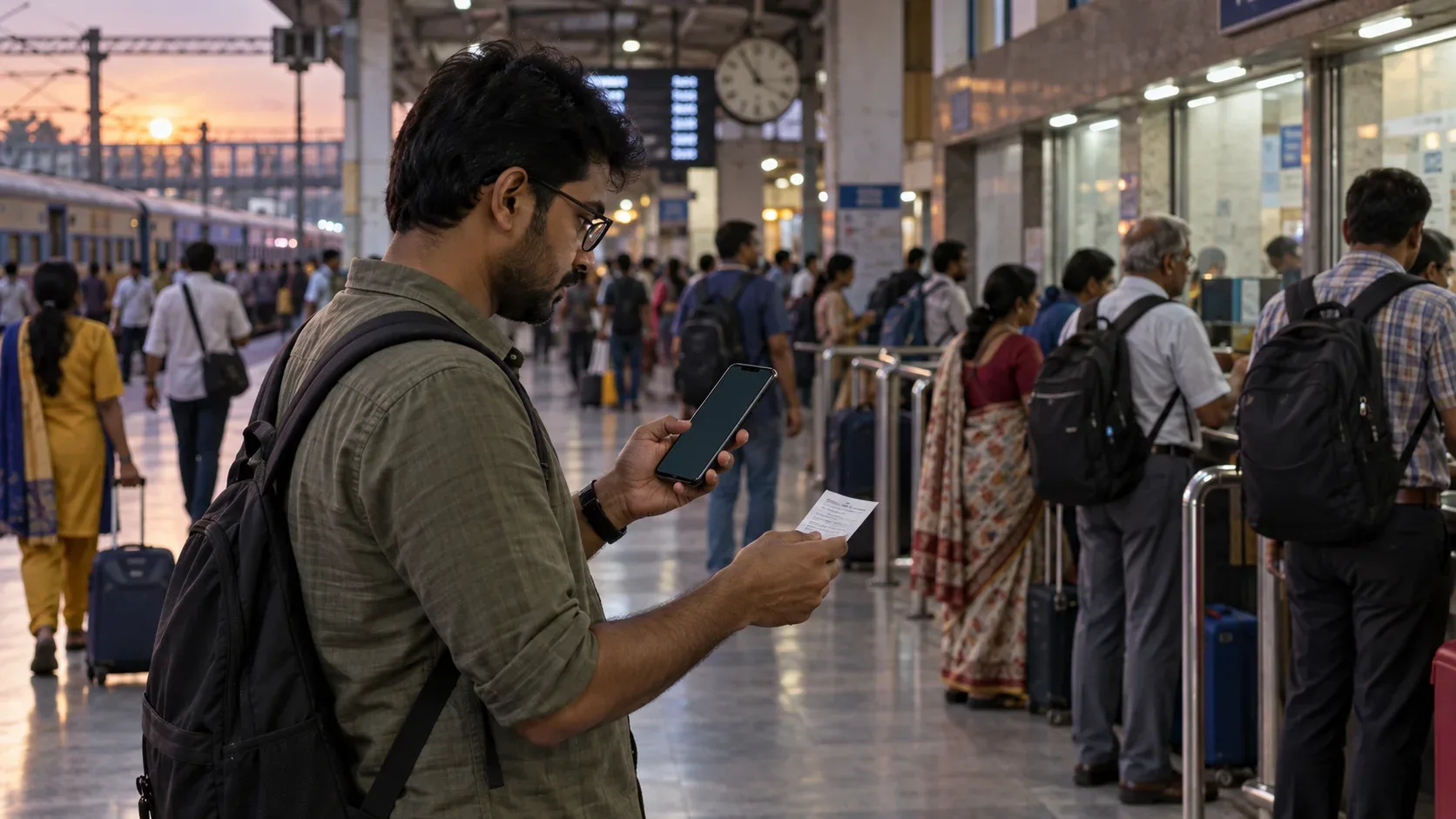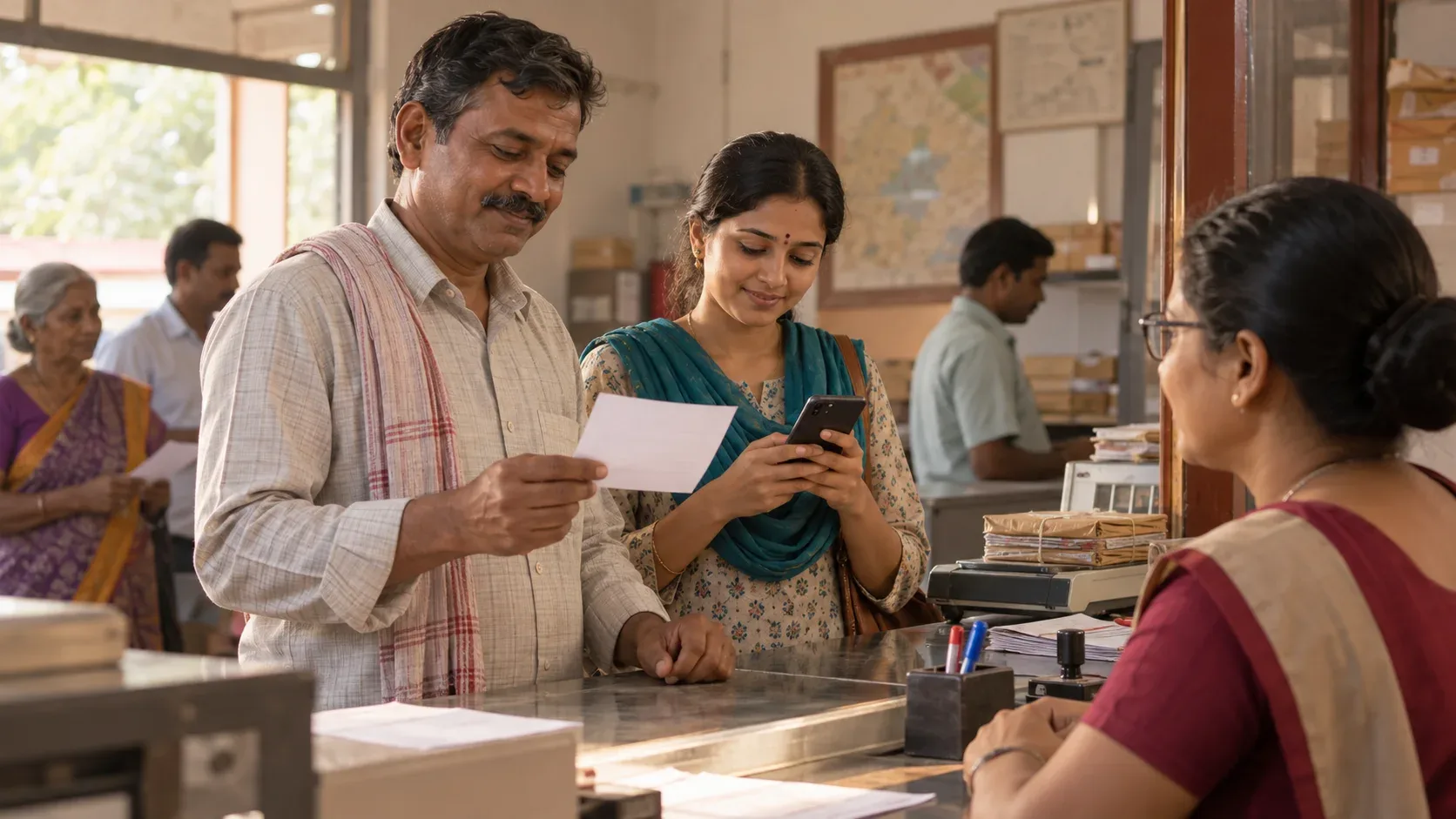
India’s family-money story did not jump straight from cash to a QR code. India Post says its Electronic Money Order (eMO) has been a web-based rapid money-transfer service since 2008. Its 2021–22 annual report recorded 137.06 lakh eMOs booked from April to December 2021. By August 2026, the National Payments Corporation of India (NPCI) recorded 24,508.96 million UPI transactions in one month. The figures show a change in speed and scale, but they do not prove that every household has the same digital confidence—or that a final authorisation screen can be ignored.
The story in 60 seconds
- India Post describes eMO as a web-based rapid money-transfer service offered since 2008.
- From April to December 2021, India Post recorded 137.06 lakh eMOs booked, with ₹1,355.70 crore sent.
- NPCI’s August 2026 product statistics show 24,508.96 million UPI transactions worth ₹29,82,355.95 crore.
- Those records cover different periods and services, so they are not a direct volume comparison.
- Instant payment makes it more important—not less important—to check the recipient, amount and authorisation before entering a PIN.
AI SummaryAI-generated summary, reviewed by editors
India Post’s electronic money order was already a web-based transfer service before QR payments became ordinary. UPI’s scale changes the speed of family remittances, not the need to check who and what you are authorising.
Switch to ShortsBefore the ping, there was already a digital postal service
Calling a money order “old” can hide the transition that happened inside the postal system. India Post says eMO began in 2008 and offered a web-based service with doorstep payment and tracking. That matters because the change is not simply paper versus screen. It is a shift from a transfer designed around a post-office workflow to one that can be initiated and confirmed in seconds.
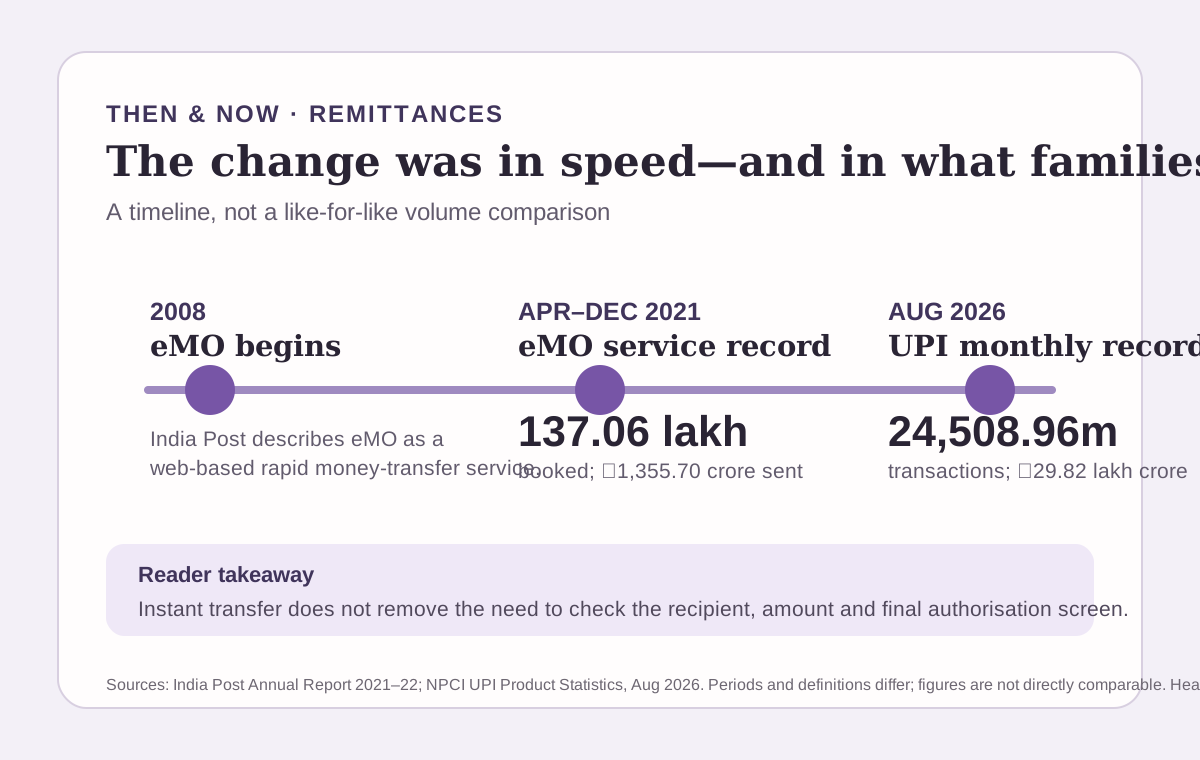
The eMO record and the UPI record should not be placed on the same chart as if they measured the same thing. One is a nine-month service record from 2021; the other is a monthly product statistic from 2026. The honest comparison is qualitative: the digital network made small, frequent transfers much easier. The safety burden also moved closer to the sender’s own final tap.
What speed changed for a household
Fast transfers can help a student away from home, a worker sending money to a village or a family meeting an urgent expense. They can also turn a wrong recipient, a hurried approval or a deceptive collect request into an immediate problem. NPCI says entering a UPI PIN authorises a payment; it is not the step for receiving ordinary money.
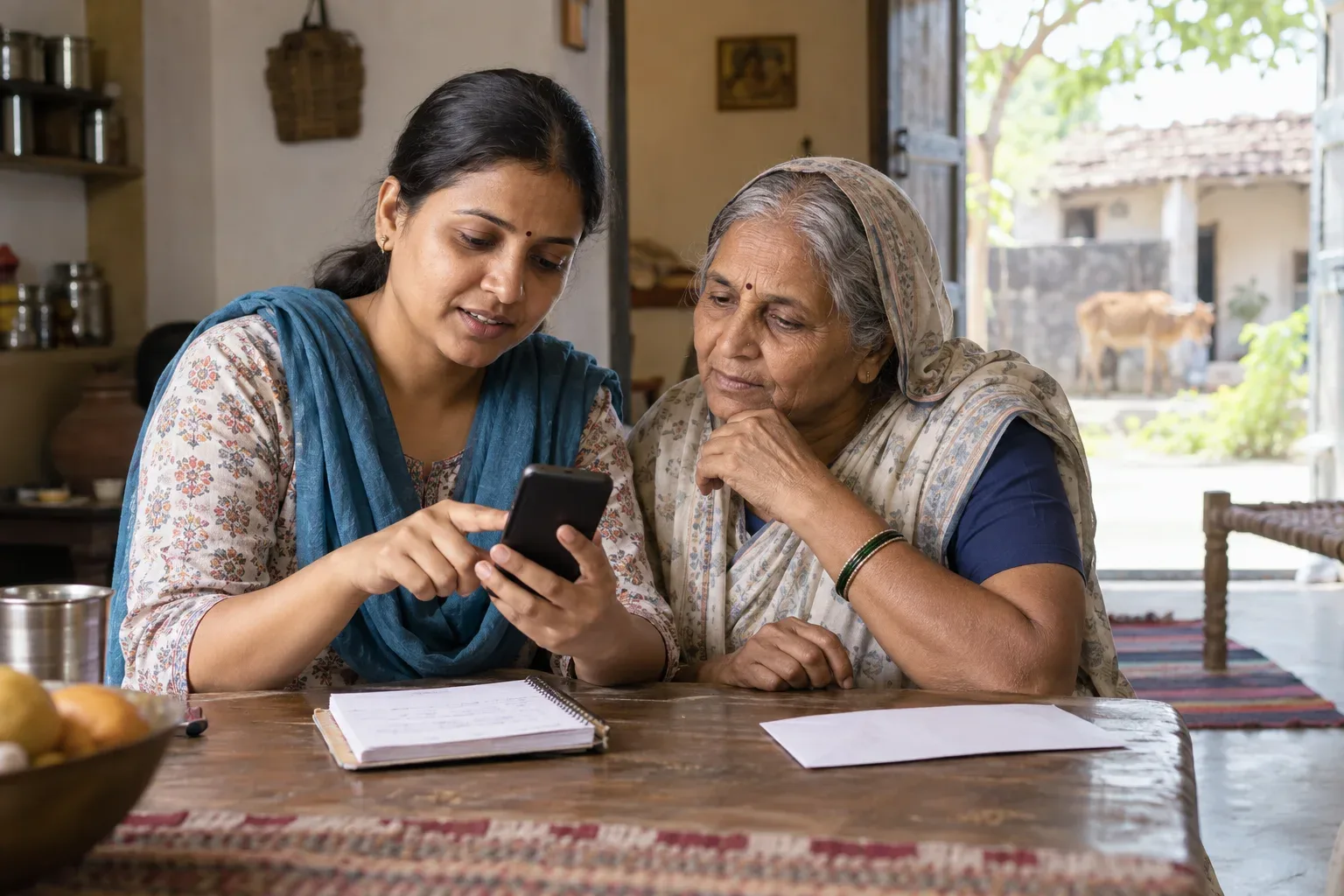
That is why a familiar instruction still matters: pause at the last screen. Match the recipient name, amount and purpose before authorising. Our guide to fake delivery messages, cloned sites and UPI payment traps explains the same consent rule in a fraud context.
A safer family-transfer routine
- Confirm the person’s number or UPI ID through a channel you already trust; do not rely only on a forwarded message.
- Read the recipient name and amount on the final bank or payment-app screen.
- Never share a PIN, OTP or screen-access code with someone who says they are helping you receive money.
- Keep the transaction reference and contact the bank or provider quickly if a transfer goes wrong.
What the data cannot settle
These aggregate records do not reveal why a family chose a service, whether a recipient could use a phone independently or how quickly a failed transaction was resolved in a particular district. They also do not prove that one system has replaced every other transfer route. That is why this analysis treats the numbers as a map of changing infrastructure, not a scorecard for every household.
Sources and method
- India Post Annual Report 2021–22 describes eMO and its April–December 2021 service figures.
- NPCI UPI Product Statistics supplies the August 2026 UPI volume and value.
- RBI Payment System Indicators explains official payment-data definitions and limits.
- NPCI fraud-awareness guidance supports the authorisation-safety advice.
Continue the series
The same personal-device assumption appears in our PCO-to-smartphone access analysis. For the next everyday service rebuilt around a phone, see our guide to reservation counters and rail apps.
HeadlineDecoded is committed to accuracy and transparency. Read our standards or submit a correction.