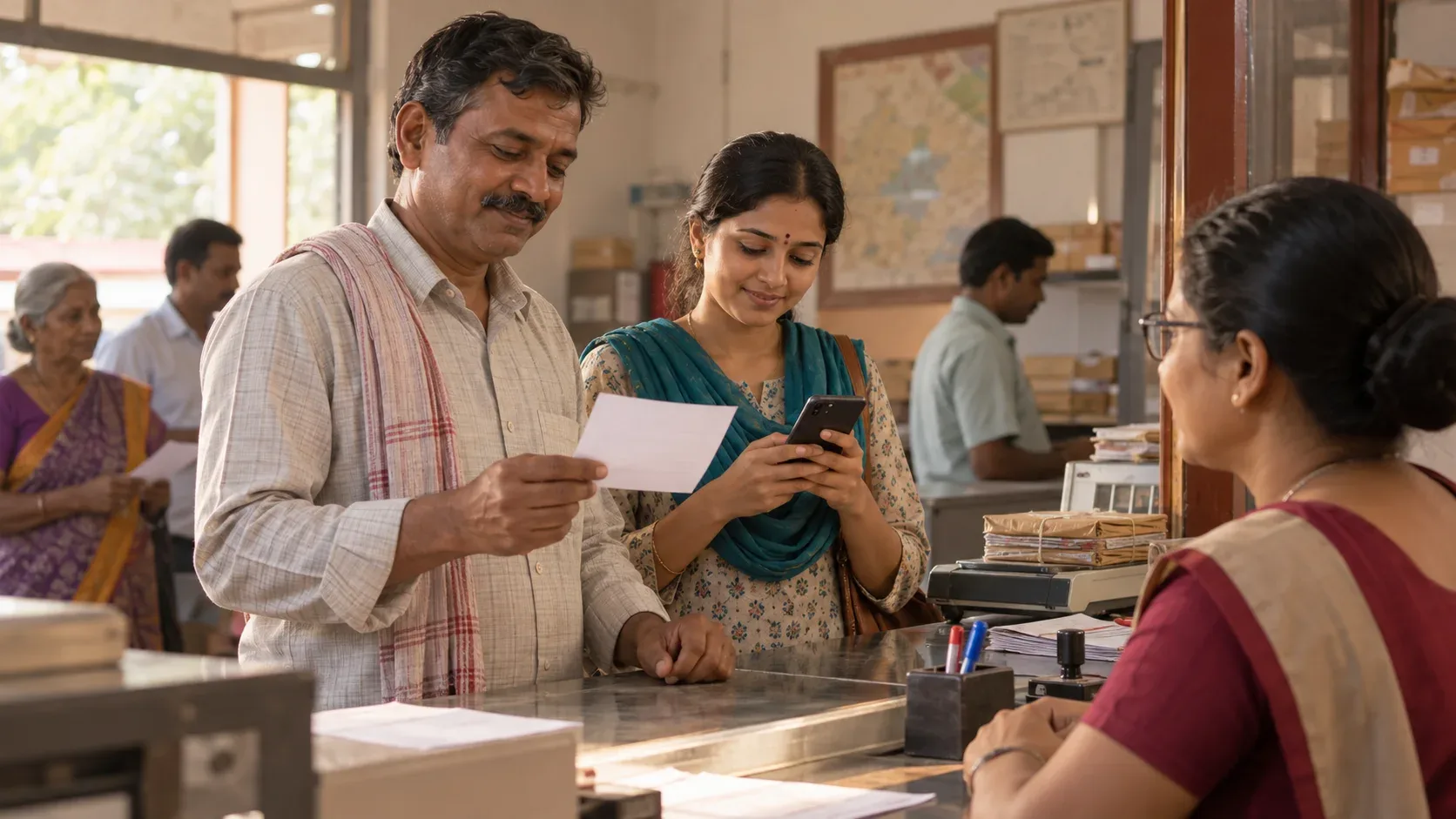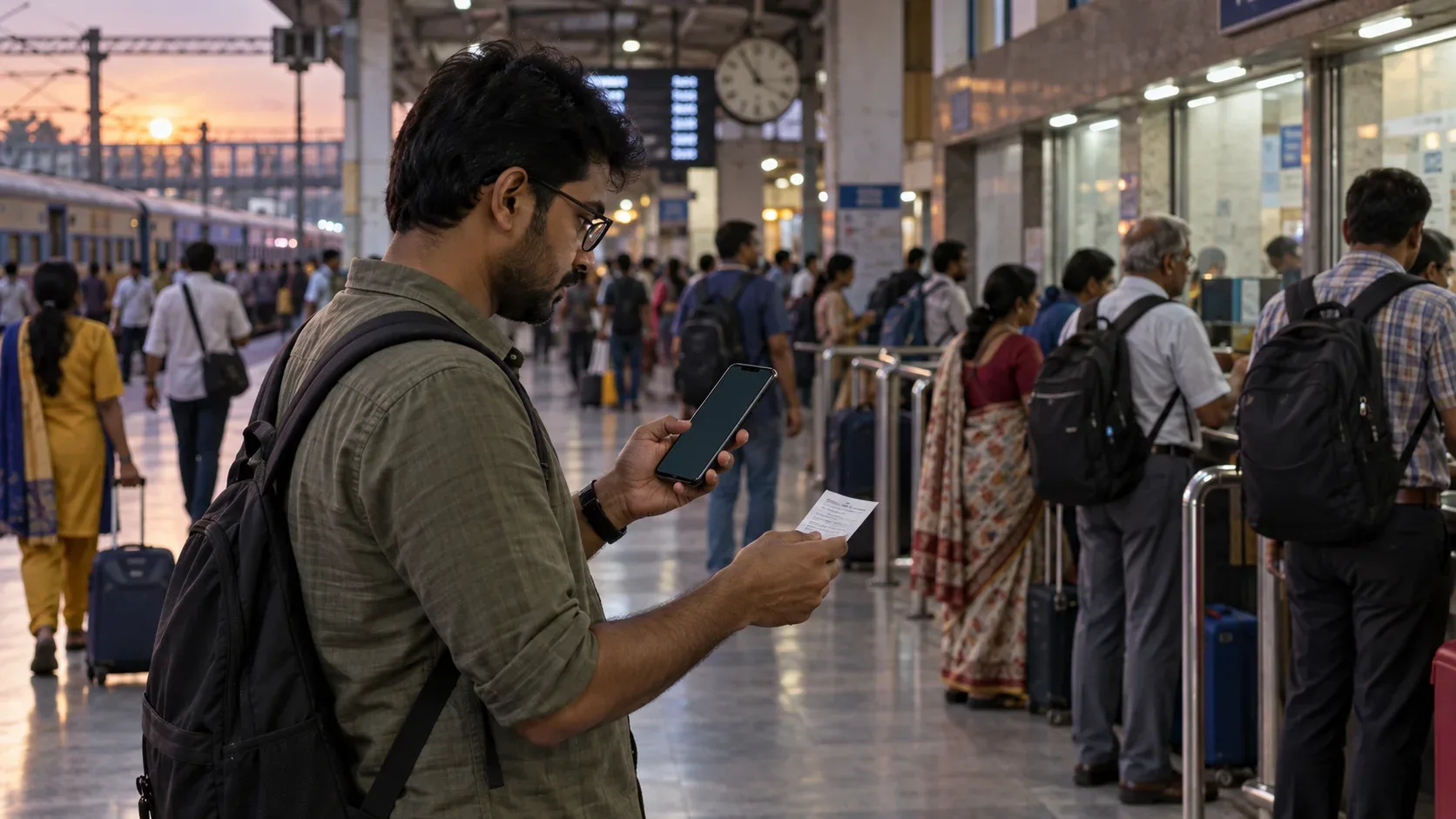
For a reserved rail journey, the counter is no longer the default route for most passengers. Indian Railway Catering and Tourism Corporation (IRCTC) said online channels accounted for 82.68% of reserved-ticket bookings in 2023–24 and 86.38% in 2024–25. In March 2026, the Ministry of Railways said the share was about 88% through February. The shift saves a trip and puts live information closer to the passenger, but it also makes a reliable phone, an official payment path and a carefully checked booking part of the journey plan.
The story in 60 seconds
- IRCTC reported that online channels handled 82.68% of reserved-ticket bookings in FY 2023–24.
- Its 2024–25 annual report put the online share at 86.38%, with 5,065.28 lakh e-tickets booked that year.
- The Ministry of Railways said the online share was about 88% through February 2026; this is a partial financial-year figure, not a direct full-year comparison.
- Online booking reduces a counter visit, but does not remove the need to confirm passenger details, payment status and the official booking channel.
- Families planning together can keep one written itinerary and one official confirmation route instead of relying on a forwarded screenshot.
AI SummaryAI-generated summary, reviewed by editors
Online e-ticketing now accounts for about 88% of reserved rail tickets, according to the Ministry of Railways. That saves a trip to the counter, but a reliable journey still depends on an official booking path, a verified payment and a passenger-ready plan.
Switch to ShortsHow quickly the default moved
IRCTC’s own records show that online reservation was already dominant in 2023–24. The next year the share rose again. The Ministry’s March 2026 release puts the figure at about 88% through February, so it should be read as a current progress marker rather than a complete 2025–26 annual result.
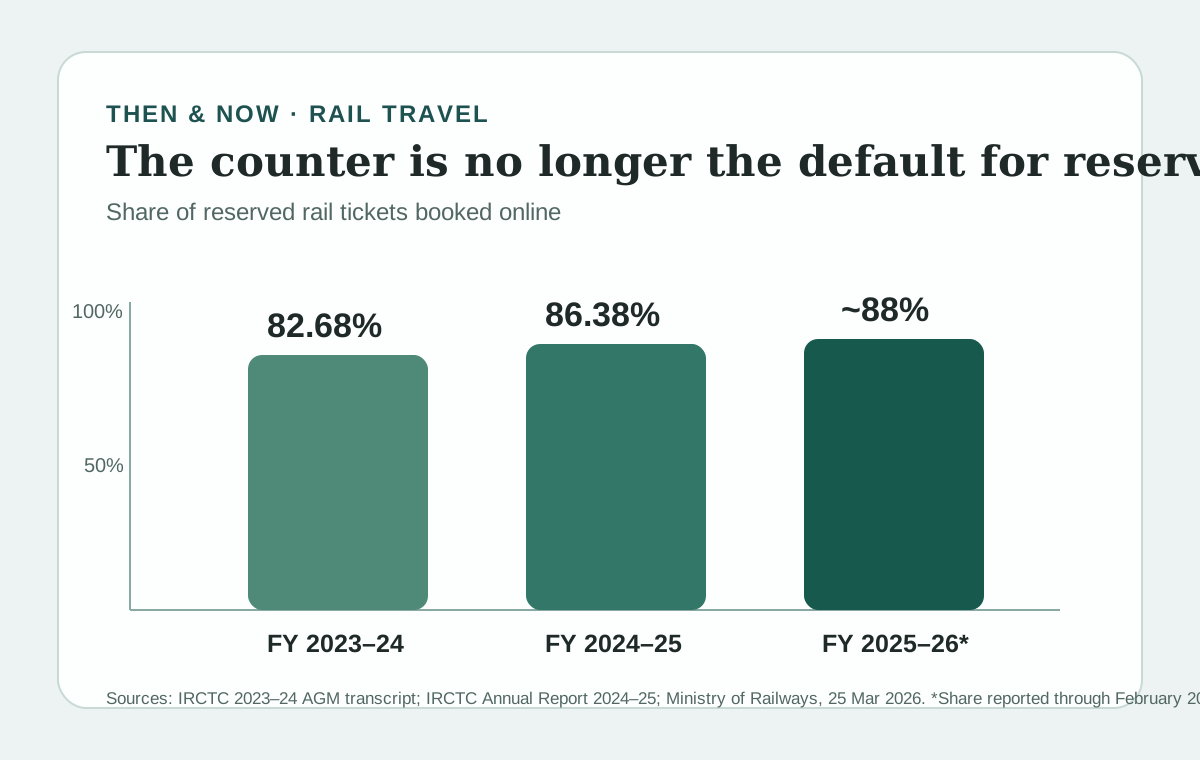
That growing share does not mean every passenger has abandoned the counter, nor does it measure how easy a booking was in a specific town. It shows that the service infrastructure is now designed primarily around digital booking and support.
What changed beyond the ticket
When planning happened at a counter, the timetable, availability query, payment and printed record could all be handled in one place. On a phone, those tasks may be split across a website or app, a bank authorisation, a message and a saved confirmation. That is convenient when everything works. It can be stressful when a network drops, a payment is uncertain or a family member is travelling with the booking on someone else’s device.
Use the official IRCTC e-ticket booking instructions for the booking route. Do not treat a social-media link, a search advertisement or a forwarded payment page as proof that you are on the official service.

A passenger-ready plan
- Keep the passenger name, age and identity details ready before attempting a busy booking window.
- Use an official IRCTC path and verify the fare, date, class and passenger details before payment.
- After paying, wait for the official booking result; a bank debit alone is not the same as a confirmed ticket.
- Save the confirmation in a way the travelling passenger can access, and write down the train, date and PNR separately if they may travel without your phone.
- For a failed or suspicious payment, use the official support route and keep the transaction reference.
What an 88% share does not prove
It does not prove that every traveller has reliable data, an Aadhaar-linked account, digital literacy or immediate support in a disruption. It also does not tell us whether the same passenger found a seat, received a refund quickly or could use the interface without help. Those access questions remain important for older travellers, people with disabilities and households that share a device.
Sources and method
- IRCTC Annual Report 2024–25 gives the 2024–25 e-ticket volume and online-share figure.
- IRCTC’s 2023–24 AGM transcript gives the prior-year online-share figure.
- Ministry of Railways release, 25 March 2026 gives the through-February 2026 online-share update.
- IRCTC’s official e-ticket guide supports the booking-path advice.
Continue the series
Modern rail planning assumes access to a device, explored in our PCO-to-smartphone analysis. The same phone may authorise a ticket payment, so read our money-order-to-UPI analysis before treating a payment alert as enough.
HeadlineDecoded is committed to accuracy and transparency. Read our standards or submit a correction.