AI SummaryAI-generated summary, reviewed by editors
A Karnataka CEO update dated August 4 recorded 5.54 crore electors, 99.84% digitisation and 1.11 crore ASDDO-marked entries. Those were revision-stage figures—not a final deletion count. Here is how to read them and what to check when the draft roll is published.
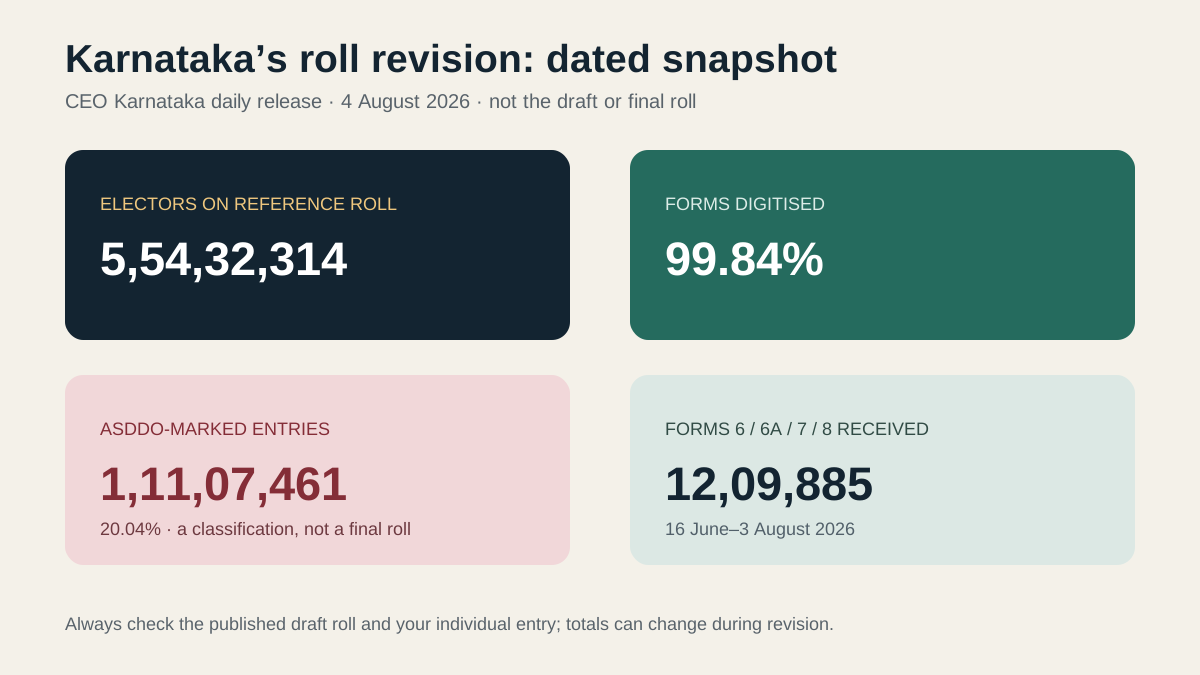
Switch to ShortsKarnataka’s Special Intensive Revision (SIR) has moved beyond its house-to-house enumeration deadline. A Chief Electoral Officer update dated August 4 recorded 5,54,32,314 electors, 99.84% digitisation and 1,11,07,461 entries marked under ASDDO categories. The crucial distinction is that this was a dated administrative snapshot, not the published draft roll and not proof that 1.11 crore people were finally deleted.
The answer in 60 seconds
- Reference roll: the August 4 CEO update used a base of 5,54,32,314 electors.
- ASDDO is a classification: absent/untraceable, shifted, dead, duplicate/already enrolled and “other” entries were grouped for revision processing. The number should not be described as a final deletion total.
- Enumeration closed: the revised house-to-house window ended August 8.
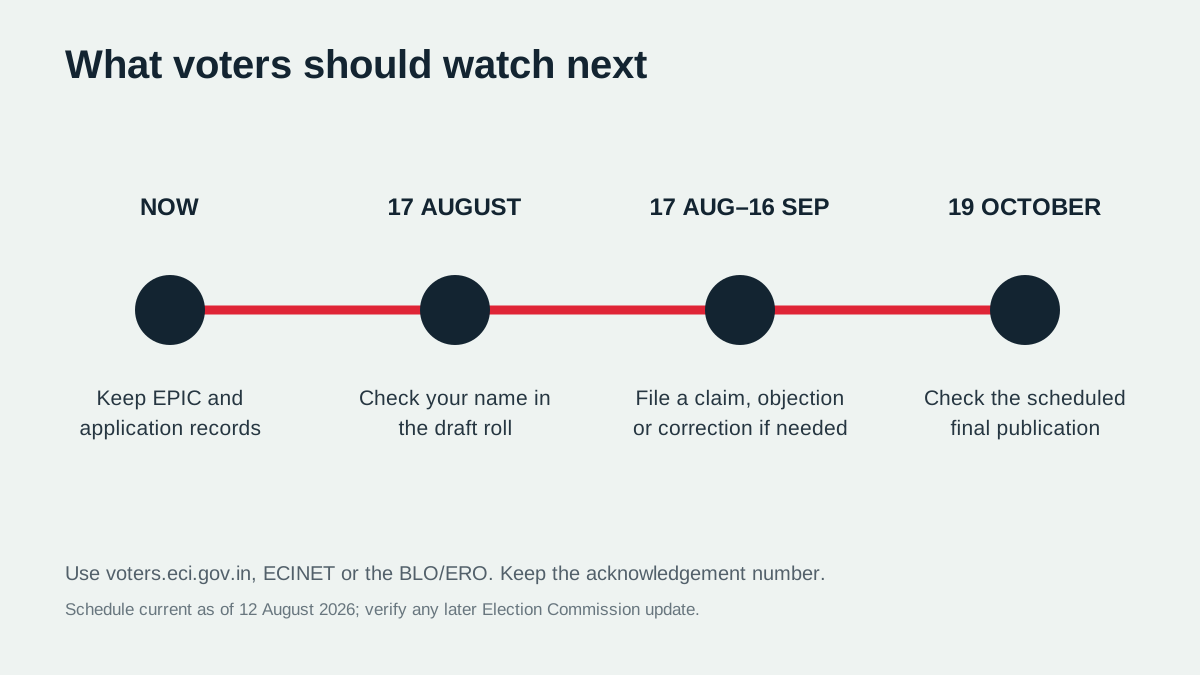
- Next checkpoint: the revised schedule puts draft-roll publication on August 17, followed by claims and objections through September 16.
- Final publication: the current schedule points to October 19, 2026. Check for later ECI changes.
What the 1.11-crore figure actually says
The August 4 daily release reported 1,11,07,461 ASDDO-marked entries, or 20.04% of the reference roll. It broke the total into untraceable or absent, permanently shifted, deceased, already enrolled elsewhere and other categories. A “shifted” or duplicate entry may require registration at the correct address; a wrong flag requires correction. Neither situation supports the blanket claim that every ASDDO-marked citizen has permanently lost the right to vote.
The older draft used “one in five names being struck off” as a frame. That is too categorical. The reliable question is whether an individual appears in the published draft and, later, the final roll.
The dates changed—so the advice must change too
The enumeration deadline was extended from July 29 to August 8. The revised programme schedules the draft roll for August 17, the claims-and-objections period from August 17 to September 16, and the final roll for October 19. As of August 12, telling readers to “roll back” a marking before August 8 is stale advice.
How to check and respond
- Keep the elector’s EPIC number and any enumeration or application acknowledgement.
- From August 17, search the draft roll through voters.eci.gov.in, ECINET or the relevant polling-station/ERO publication.
- If the name or details are wrong, use the appropriate claim, objection or correction route during the notified window. Form 6 is generally for inclusion, Form 7 for objection/deletion requests and Form 8 for correction or shifting within the roll; follow the portal’s current instructions.
- Retain the application reference and track the ERO’s decision. Do not rely only on a screenshot, forwarded list or unofficial lookup tool.
- Check again after final publication. A voter card by itself does not replace verification that the name is on the current roll.
Why Bengaluru needs special attention
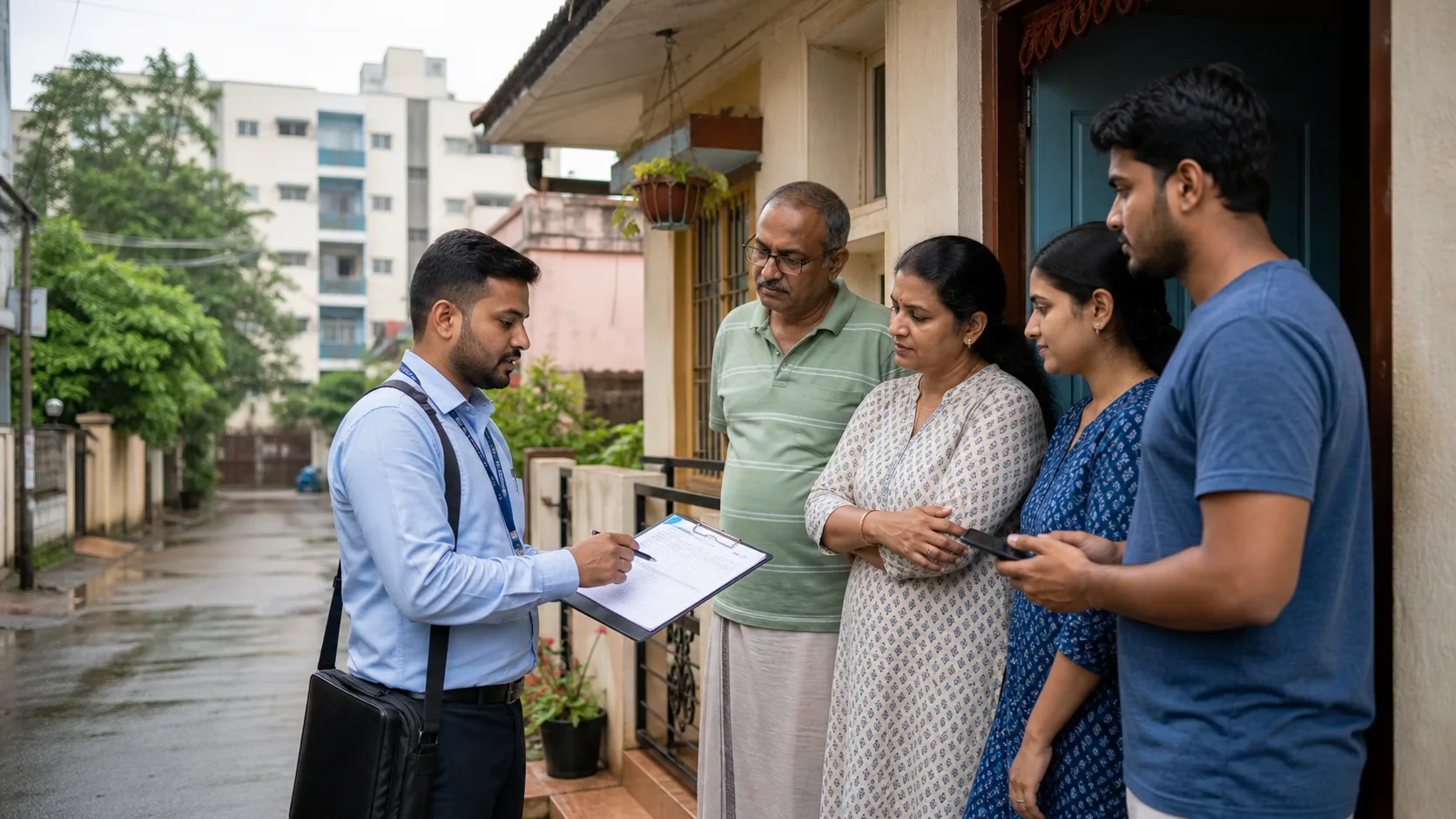
High residential mobility makes address mismatches more likely in Bengaluru. A household may have shifted within the city, moved from another constituency or retained an entry at an earlier address. That does not prove wrongdoing, but it does make individual verification important. Use the official roll and registration services; never post an EPIC number or identity document publicly to ask strangers for help.
Claim versus evidence
- Claim: 1.11 crore Karnataka voters were deleted.
Evidence: 1.11 crore was the ASDDO-marked total in an August 4 revision-stage release. The draft roll had not yet been published. - Claim: 99.84% digitisation means the voter list was final.
Evidence: digitisation measured administrative processing; draft publication, claims, decisions and final publication were still ahead. - Claim: the August 8 deadline means nothing can be done now.
Evidence: enumeration ended, but the revised schedule includes a claims-and-objections phase after the draft roll. The appropriate route depends on what the draft shows.
Related reading
Electoral-roll accuracy also affects the broader debate over representation. See our guide to the Delimitation Commission process and the fact-check of claims about delimitation safeguards.
Sources
- Office of the Chief Electoral Officer, Karnataka — Daily Press Release No. DPAR 172 ChuMaPa 2026, August 4, 2026
- Chief Electoral Officer, Karnataka
- CEO Karnataka’s official X account — useful for first-party updates; formal notices and the voter portal control
- Voters’ Service Portal — Election Commission of India
- SIR Phase III schedule announcement — Press Information Bureau
- Karnataka SIR resource materials — Bengaluru Rural district administration
HeadlineDecoded is committed to accuracy and transparency. Read our standards or submit a correction.