AI SummaryAI-generated summary, reviewed by editors
Meditation need not mean escaping ordinary life. A simple practice of sitting, noticing and letting thoughts pass can create a steadier relationship with the mind.
Switch to ShortsThe roadside metaphor
One useful metaphor is to imagine the mind as a busy road. Thoughts are the traffic. During meditation, you do not stand in the road and direct every vehicle; you sit at the side and watch. A pleasant memory does not require pursuit. An uncomfortable thought does not require a fight. Each can be recognised as a passing event rather than an instruction that must be followed. This distinction matters because trying to force the mind to become blank often creates another struggle. The goal is not a perfect absence of thought. It is a change in relationship: from being carried away by every thought to noticing that a thought is present.How to begin at home
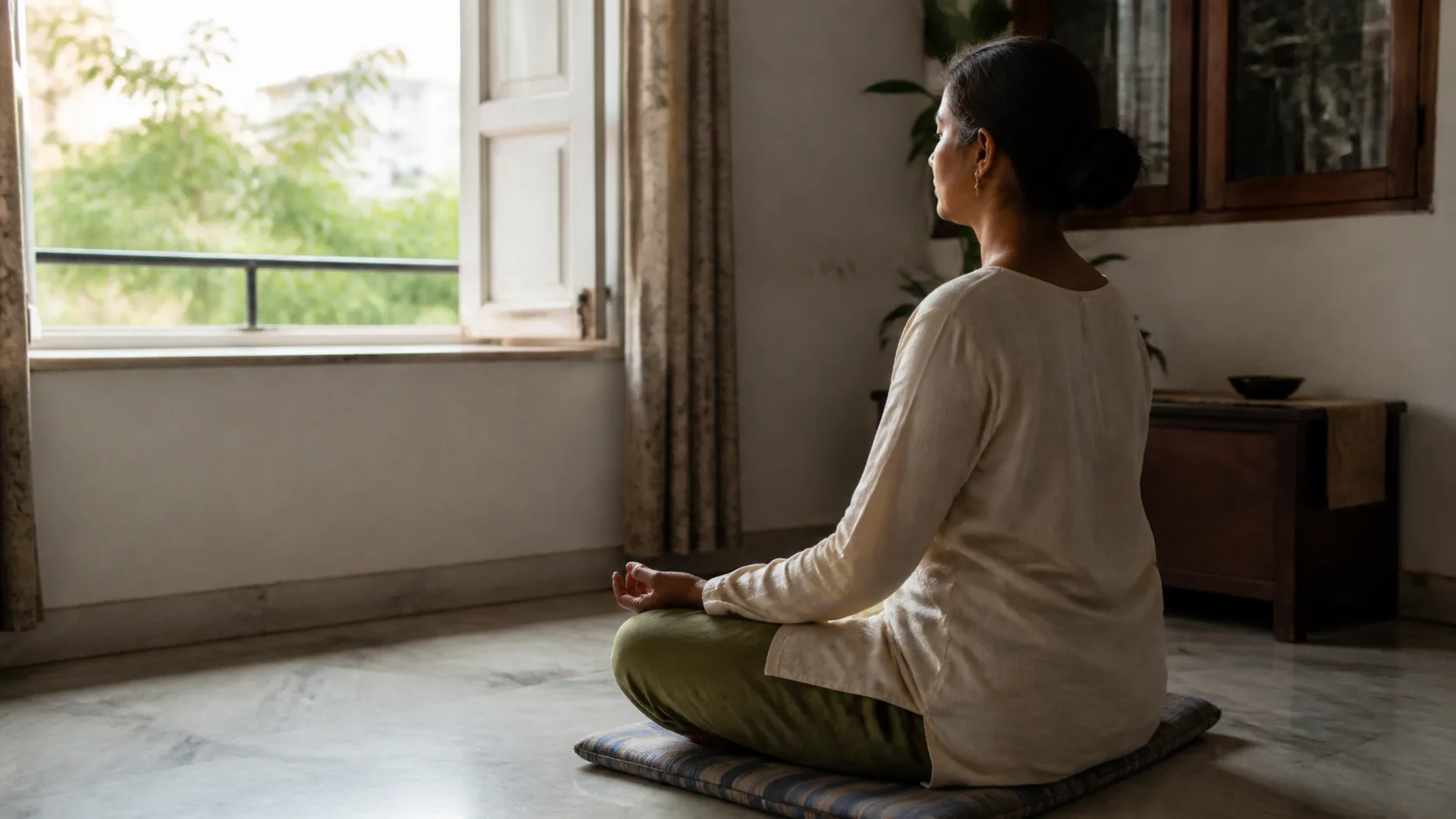
Choose a place where you are unlikely to be interrupted. A chair, the edge of a bed or a cushion on the floor is enough. Keep the body upright but not rigid. Set a gentle timer for 10 minutes. There is no need to begin with a full hour; consistency is more useful than endurance. Let attention rest on the natural breath or on the physical sensation of sitting. When the mind wanders, silently note “thinking” and return to that anchor. Do this without scolding yourself. Wandering is not failure—it is the moment in which the practice of noticing becomes possible. If closing your eyes feels uncomfortable, lower your gaze instead. If sitting still increases distress, shorten the session, try slow walking meditation, or stop. Meditation can support wellbeing, but it is not a substitute for professional mental-health care.Patience is part of the practice
Some sessions will feel crowded from beginning to end. That does not make them wasted. The mind has spent years learning to chase, judge and rehearse; it is unlikely to become quiet on command. Patience allows thoughts to lose some of their urgency without turning calmness into another achievement to pursue. Over time, brief moments of space may appear between thoughts. More important than their duration is what they reveal: awareness is not identical to the stream of mental activity passing through it. That glimpse can make it easier to pause before reacting in the rest of the day.Returning to ordinary life
The value of a quiet practice is not measured only while sitting. It appears in the market, the workplace and the home—in the extra breath before an angry reply, the ability to hear another person fully, or the recognition that worry has started running in circles. The circumstances of life may remain much the same. The shift is in how they are met. Saving a small part of the day for attentive silence is therefore not a withdrawal from the world. It can be a way of returning to it with greater steadiness, clarity and care.Primary-source visual check
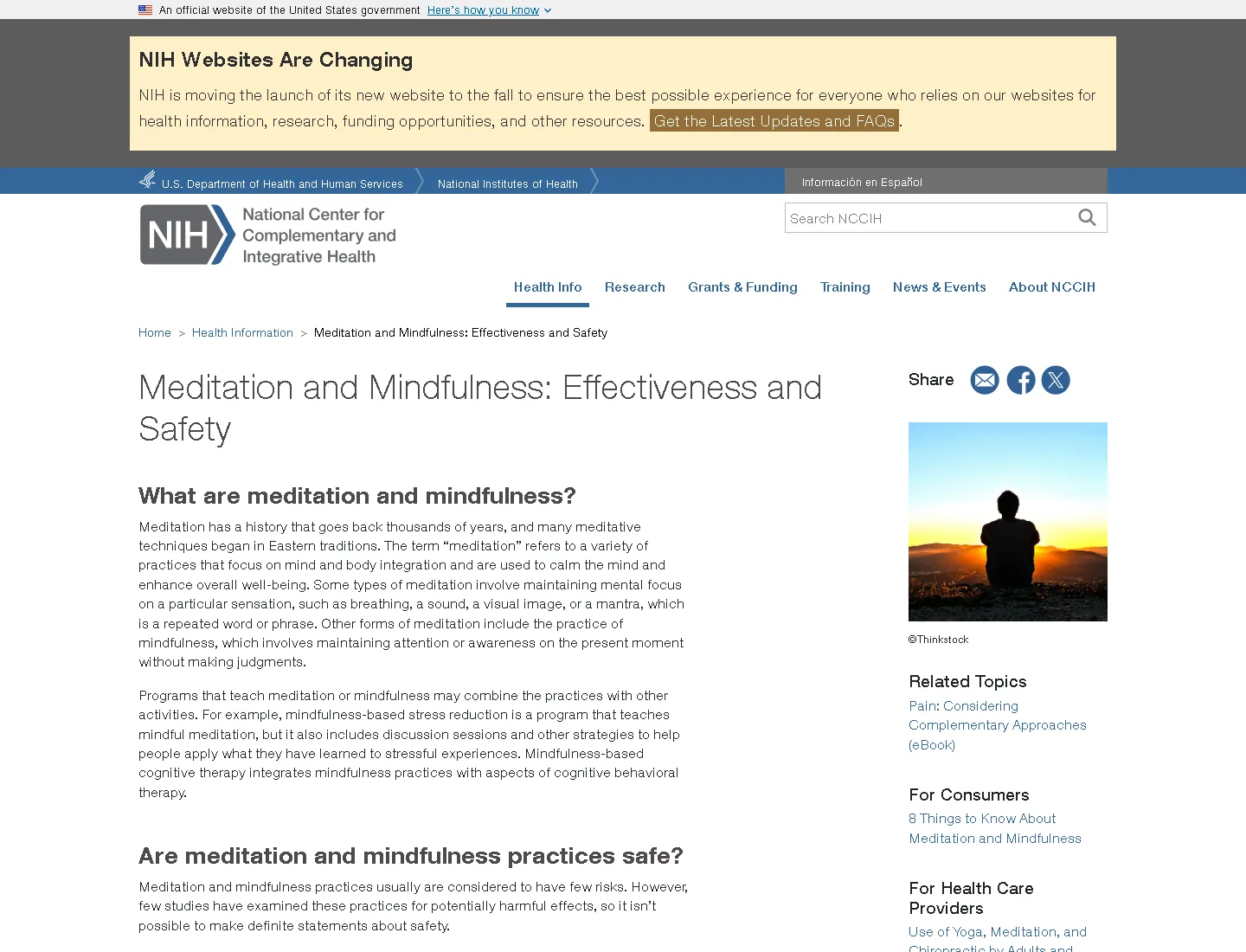
Update, August 12, 2026: We added this documentary capture from an authoritative source. Open the official source. The capture supports the verification route described here; it is not evidence for claims beyond what the linked source states.
Related: Read our evidence-led explanation of Osho’s “Live As You Are” discourse on self-acceptance.
Our reporting standards
HeadlineDecoded is committed to accuracy and transparency. Read our standards or submit a correction.