The story in 60 seconds
- The Central Bureau of Investigation has filed a chargesheet against 13 people in the NEET-UG 2026 paper-leak case.
- The agency says its filing cites 360 witnesses, 422 documents and 43 material objects, alongside digital-forensic, handwriting and academic-expert reports.
- News reports describe the accused as three question-paper experts, two people associated with coaching centres, middlemen and beneficiary candidates.
- The filing records the prosecution’s allegations; it does not prove that any accused person is guilty. Those allegations must be tested in court.
- No National Testing Agency official was named in the first chargesheet, according to reports, while the investigation into possible additional roles remained open.
AI SummaryAI-generated summary, reviewed by editors
The CBI cites 360 witnesses, 422 documents and 43 material objects against 13 accused—but a chargesheet is not a conviction. Here is the evidence and its limits.
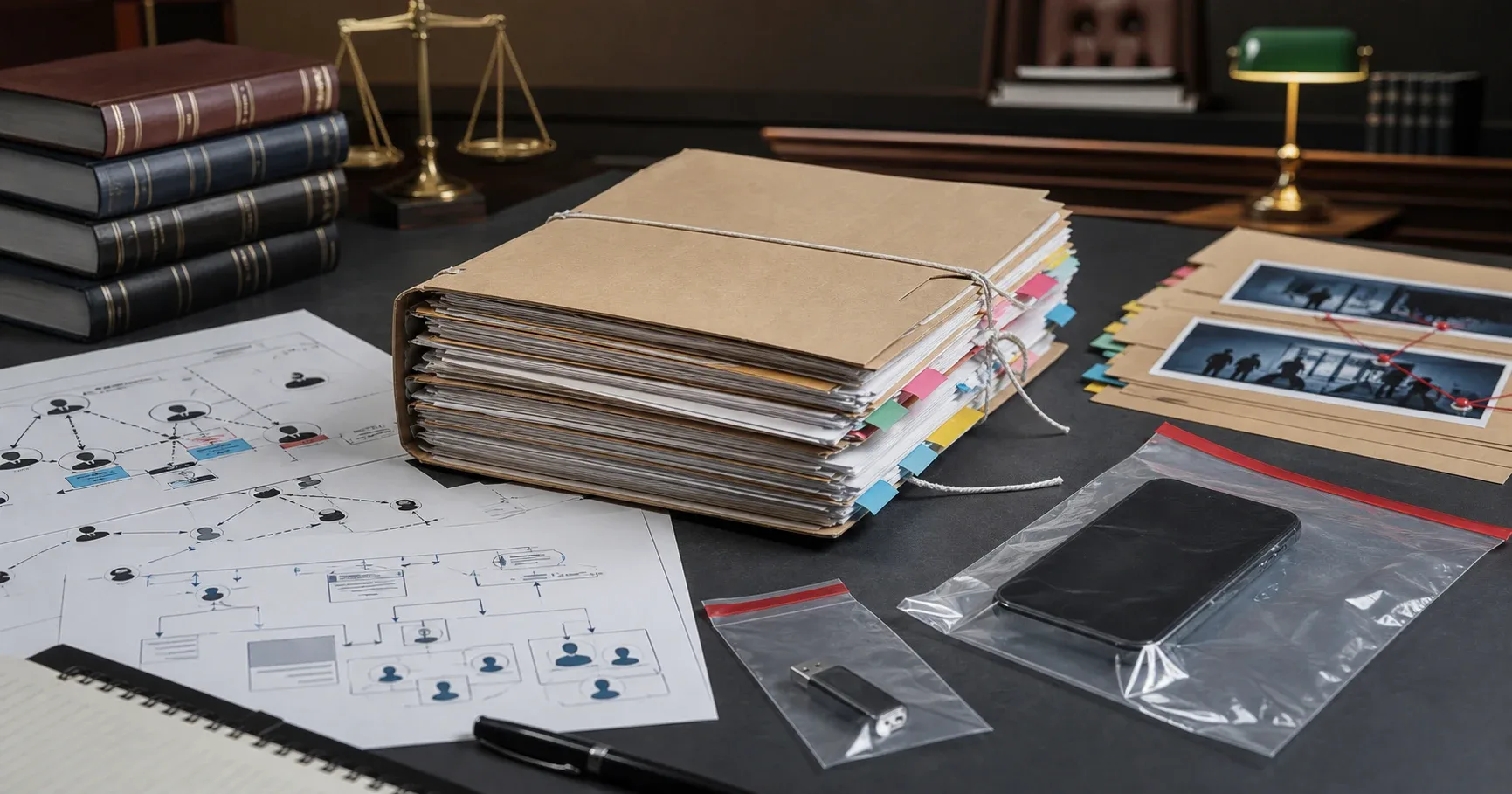
Switch to ShortsImage note: The lead image is an AI-generated editorial illustration of an evidence file. It does not show documents or devices from the actual case.
The first chargesheet in the NEET-UG 2026 paper-leak case gives the public a more structured account of the Central Bureau of Investigation’s theory. It also creates a fresh risk of overstatement: a large filing, hundreds of witnesses and forensic reports can sound like a verdict. They are not.
A chargesheet tells the court that investigators believe they have enough material to prosecute named accused persons. The court must still consider the filing, decide which charges should be framed and hear challenges to the evidence. Every accused remains presumed innocent unless convicted.
What is procedurally established
The NEET-UG examination was held on May 3, 2026. On May 12, the government announced that the CBI had registered a case after the Department of Higher Education complained of alleged unauthorised circulation of examination material before the test. The official Press Information Bureau release said the suspected offences included conspiracy, cheating, breach of trust, theft, evidence destruction, corruption and violations of the Public Examinations law.
The original test was cancelled and a re-examination was subsequently conducted. On July 28, the CBI filed its first chargesheet against 13 accused before a Delhi court. A fast-track court took the filing on record the next day and gave the agency three additional days to submit the underlying documents, witness statements and other material referred to in it. Reporting on that hearing noted that the initial submission carried lists of witnesses, documents and objects, but not all supporting annexures.
What the CBI says its evidence contains
According to agency statements reported by The Times of India, NDTV/PTI and other outlets, the chargesheet cites:
- 360 witnesses;
- 422 documents;
- 43 material objects;
- digital-forensic analysis;
- handwriting-expert opinions; and
- academic-expert opinions comparing leaked questions with examination material.
The CBI alleges that people responsible for setting questions leaked them in coordination with associates, including middlemen and coaching-centre operators, and that some candidates benefited. Earlier official updates said investigators had traced the alleged source of the Chemistry questions and claimed that students paid several lakh rupees to attend special classes where question banks were dictated or discussed. That remains the prosecution account, not a judicial finding.
Who the 13 accused are described as
Public reports group the accused by alleged role rather than publishing a complete, verified role-by-role table from the chargesheet. They describe three paper experts, two people associated with coaching centres, alleged intermediaries and beneficiary candidates.
That distinction matters. “Paper expert”, “middleman” and “beneficiary” describe what investigators allege each person did; they are not interchangeable findings of guilt. HeadlineDecoded has not assigned a specific act to every named person because the complete chargesheet and annexures were not publicly available for direct review.
What the chargesheet does not prove
- It does not establish guilt. A court has not yet tested the witnesses or forensic conclusions through trial.
- Its size is not a measure of reliability. Twenty thousand pages may contain annexures and repeated records; evidentiary value depends on relevance, authenticity and admissibility.
- A detector or expert opinion is not self-executing proof. The defence can challenge collection methods, chain of custody and interpretation.
- It does not publicly settle how far the paper travelled. The number of eventual recipients and the scale of advantage remain questions requiring evidence.
- It does not close the institutional-responsibility question. Reports said no NTA official was named in the first chargesheet and that further investigation continued.
The unresolved NTA question
The Economic Times reported that no National Testing Agency official was named in the first chargesheet. That does not prove either institutional innocence or institutional involvement. It means the first prosecution filing did not charge an NTA official.
Earlier court reporting said prosecutors alleged that a source linked to the testing organisation supplied the paper. The legally important question is whether investigators can identify that individual, prove access and trace a reliable digital or physical chain from question preparation to distribution. Until then, claims that the chargesheet either “clears NTA completely” or “proves the entire agency was involved” go beyond the public evidence.
What happens next
The court must examine the filing and supporting records. It may take cognisance of alleged offences, hear arguments and decide whether charges should be framed. The accused can seek bail and challenge the prosecution material. Witnesses and experts will matter only when their evidence is tested through the judicial process.
Further chargesheets are also possible if investigators identify additional accused or evidence. A first chargesheet can preserve the prosecution against people already in custody while leaving parts of an investigation open.
How to read claims about this case
- Ask whether a statement comes from the FIR, an arrest application, the chargesheet, a court order or a news-source briefing.
- Do not convert “charged” into “convicted”.
- Check whether reports are discussing the 2024 or 2026 NEET case.
- Demand the latest court date and order before claiming the case was delayed or decided.
- Treat anonymous summaries of the 20,000-page filing as provisional until the underlying records can be inspected.
Sources and limitations
This explainer relies on the government’s May 12 case-registration release and reporting attributed to the CBI and the fast-track court. HeadlineDecoded did not have the complete chargesheet and annexures. Accordingly, it reports the agency’s allegations as allegations and does not reproduce an unverified person-by-person accusation table.
Abbreviations and full forms
- CBI: Central Bureau of Investigation
- FIR: First Information Report
- NEET-UG: National Eligibility cum Entrance Test—Undergraduate
- NTA: National Testing Agency
- PTI: Press Trust of India
Primary-source visual check
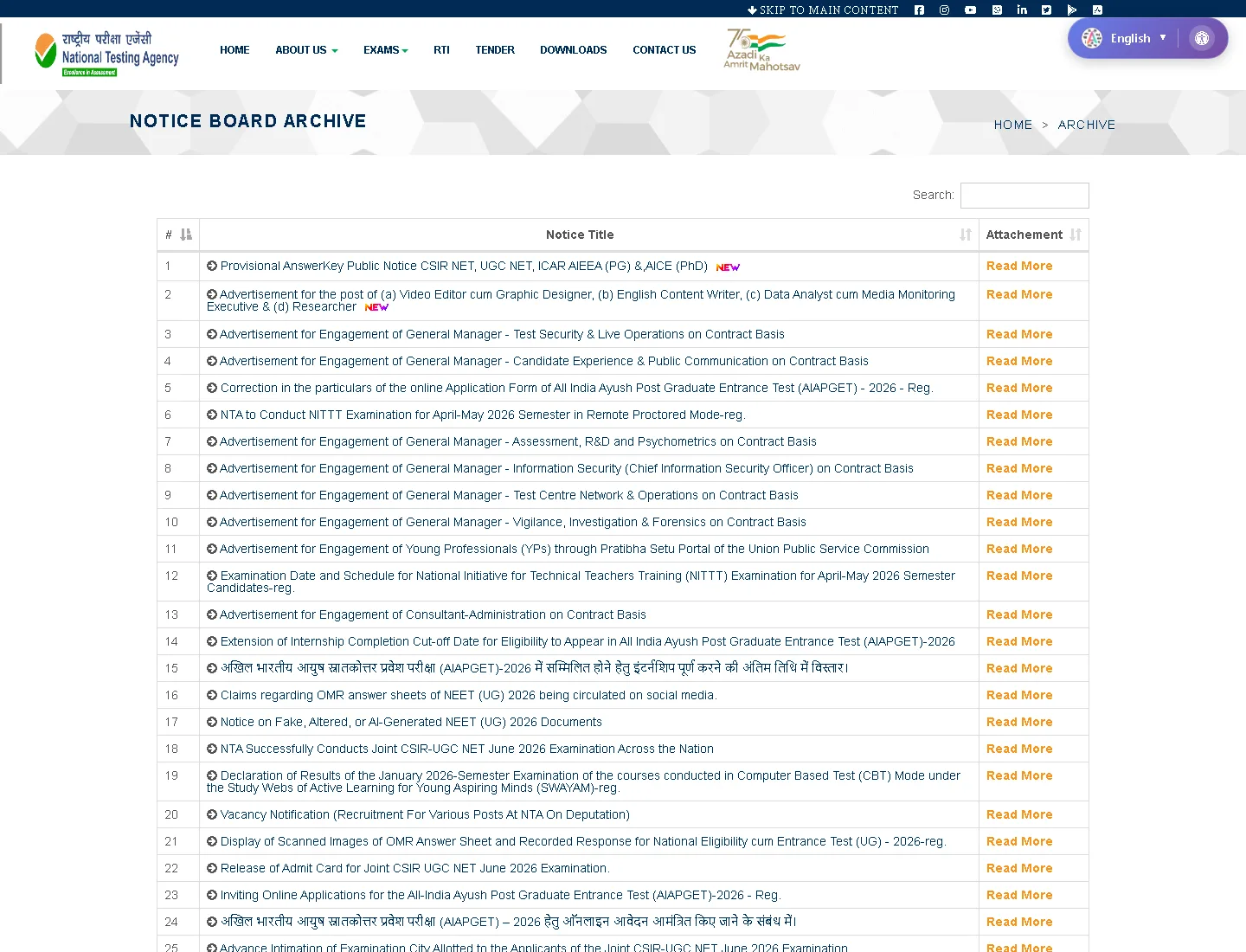
Update, August 12, 2026: We added this documentary capture from an authoritative source. Open the official source. The capture supports the verification route described here; it is not evidence for claims beyond what the linked source states.
HeadlineDecoded is committed to accuracy and transparency. Read our standards or submit a correction.